Windows are particularly vulnerable to damage during construction, refurbishment and fit-out projects.
Once installed, glass, frames and surrounding finishes can be exposed to dust, paint, plaster, mortar, scratches and general site dirt. Even relatively minor damage can result in additional cleaning, remedial work or, in more serious cases, replacement.
So, how do you protect windows during construction without creating additional work at the end of the project?
Choosing the right temporary window protection can help keep newly installed glass and frames protected throughout construction and leave them ready for handover.
Why Do Windows Need Protection During Construction?
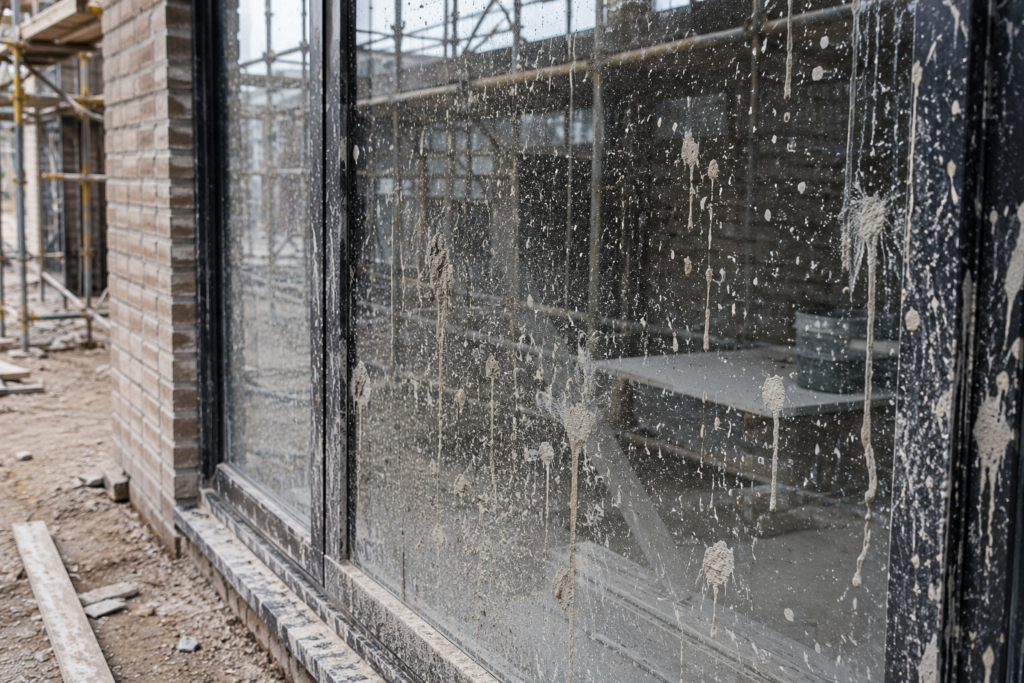
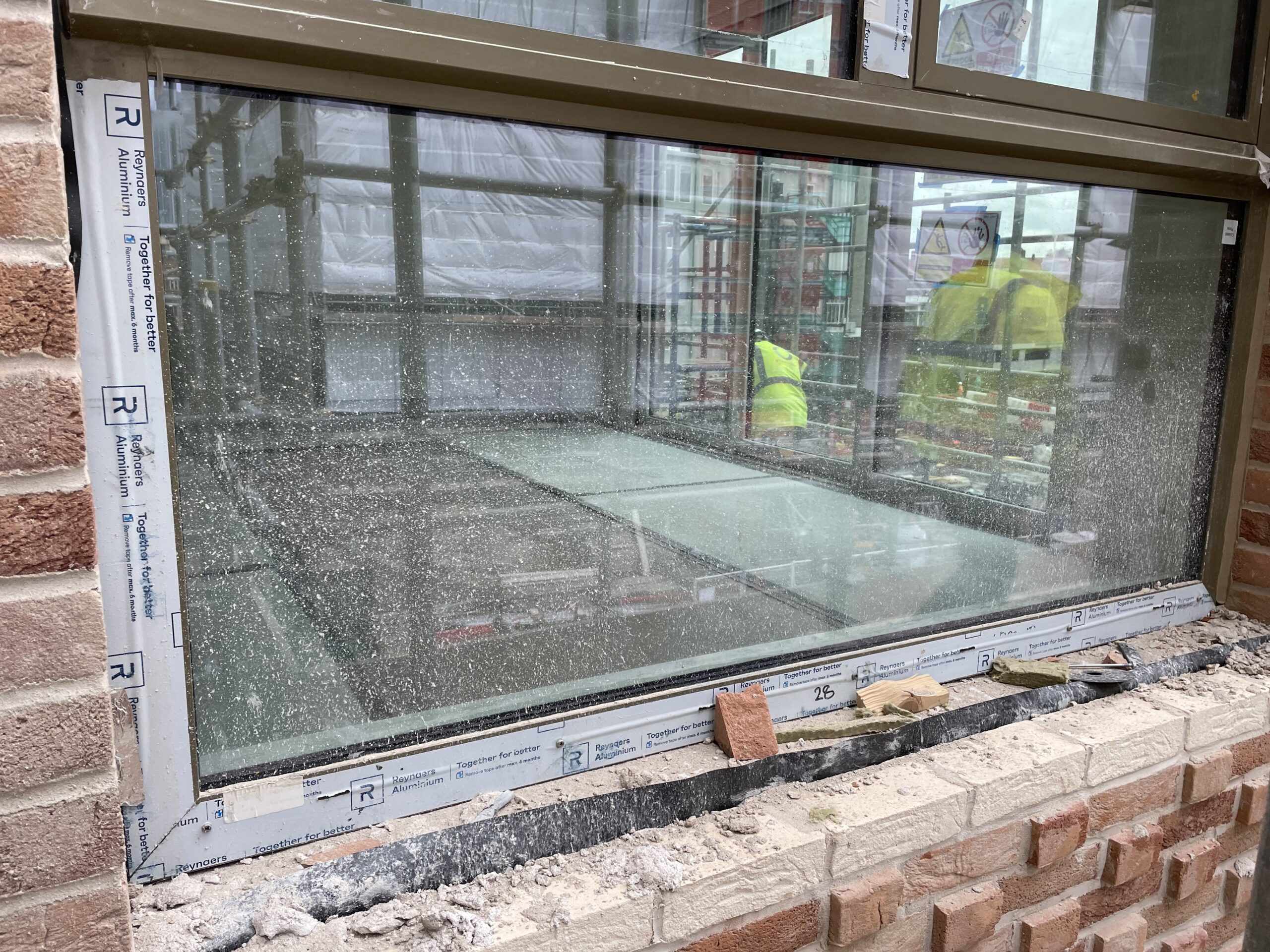
Installing windows doesn’t mean the risk of damage is over. In fact, once windows are fitted, other trades may continue working around them for weeks or months.
During this period, windows can be exposed to:
- Paint and decorating overspray
- Plaster and render
- Mortar and cement splashes
- Dust and dirt
- Scratches and abrasion
- Sealants and adhesives
- General construction debris
- Damage from tools and equipment
Glass may be relatively durable, but scratches, staining and deposits can be difficult or expensive to remove. Frames, profiles and surrounding surfaces can also become damaged during the remaining stages of construction.
This makes window protection during construction an important part of protecting the finished building.
What Can You Use to Protect Windows During Construction?
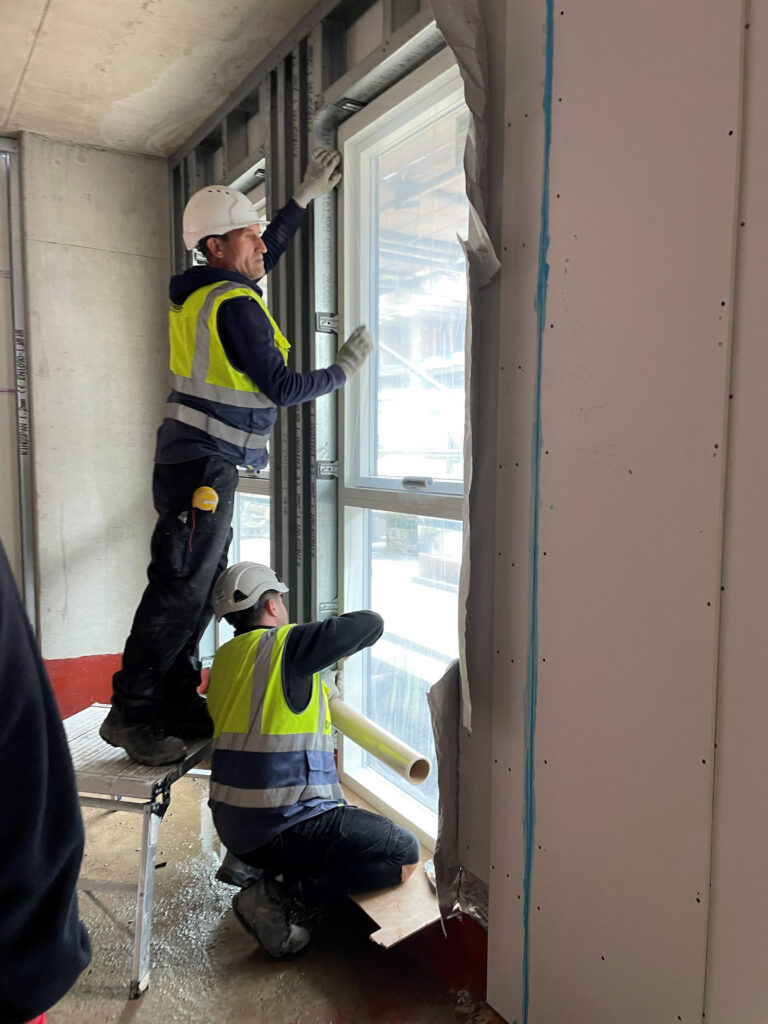
There are several methods commonly used to provide temporary window protection.
These include protective films, plastic sheeting, boards, tape and temporary protective coatings.
The right solution will depend on the window, substrate, project duration and type of work taking place around it.
Traditional films and sheets can work well in some situations. However, they may require cutting and taping around window frames, corners and awkward shapes.
Tape can also become damaged, lift or leave adhesive behind, while individual sections of protection may need replacing as work progresses.
For larger developments with significant areas of glazing, installation and maintenance time can quickly become an important consideration.
Can You Spray Temporary Protection onto Windows?
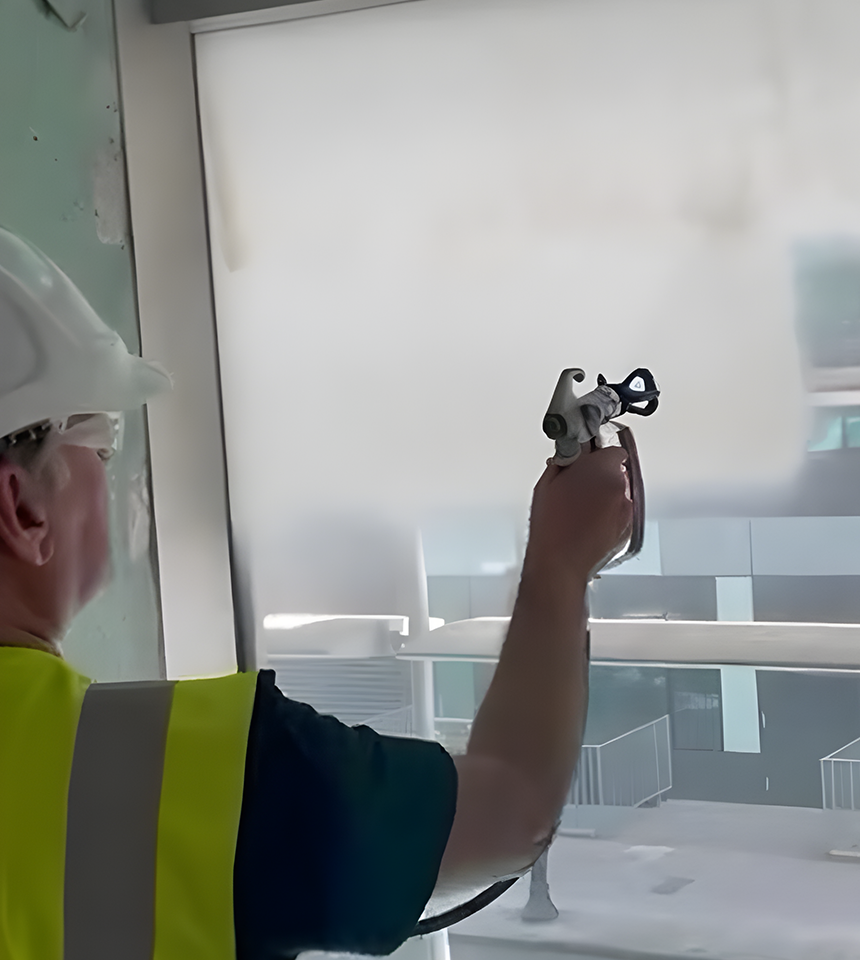
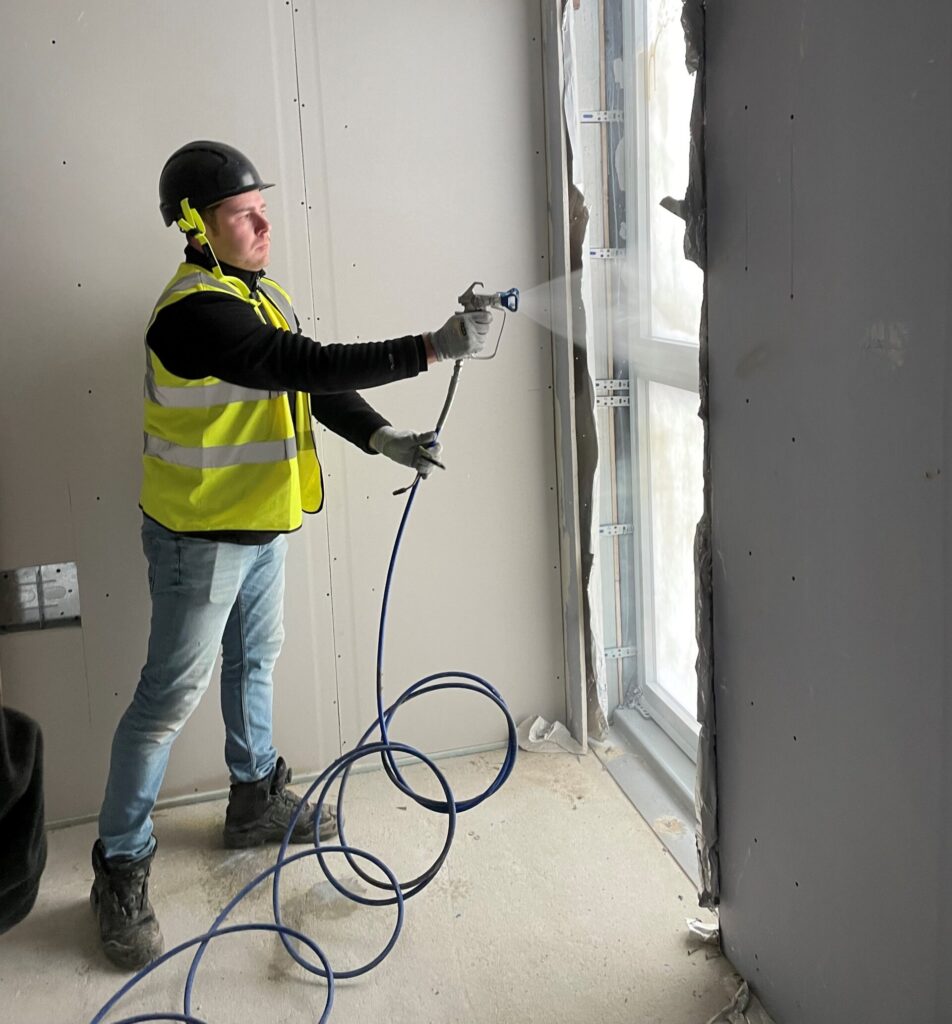 Yes. Liquid-applied temporary coatings provide another way of protecting suitable windows, glass and frames during construction.
Rather than cutting sheets or film to fit the surface, a liquid coating is applied directly to the substrate.
Once dry, it forms a continuous protective film over the surface.
Because the coating follows the contours of the substrate, it can be particularly useful around window frames, profiles, corners and other areas that may be more difficult to cover using conventional temporary protection.
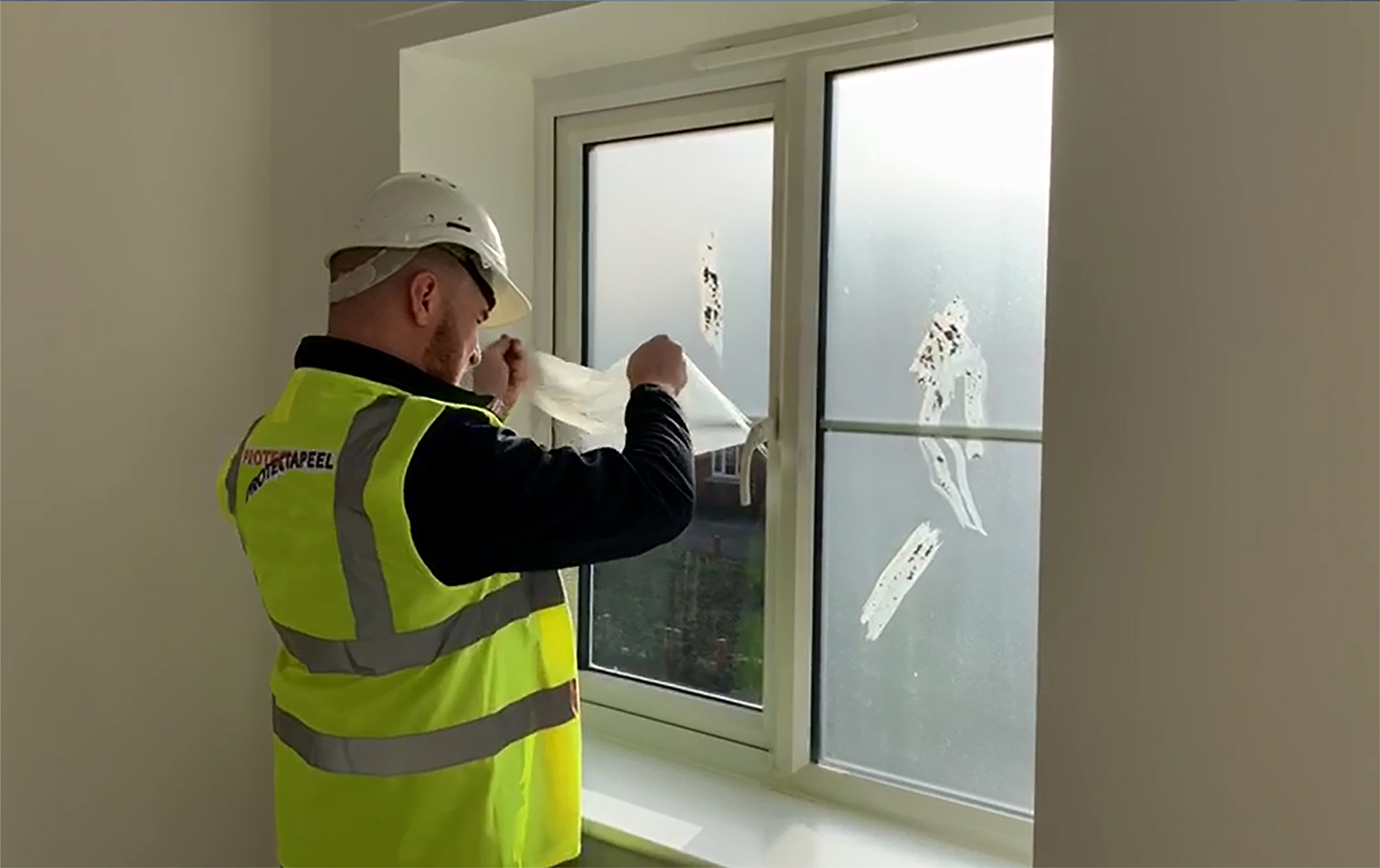
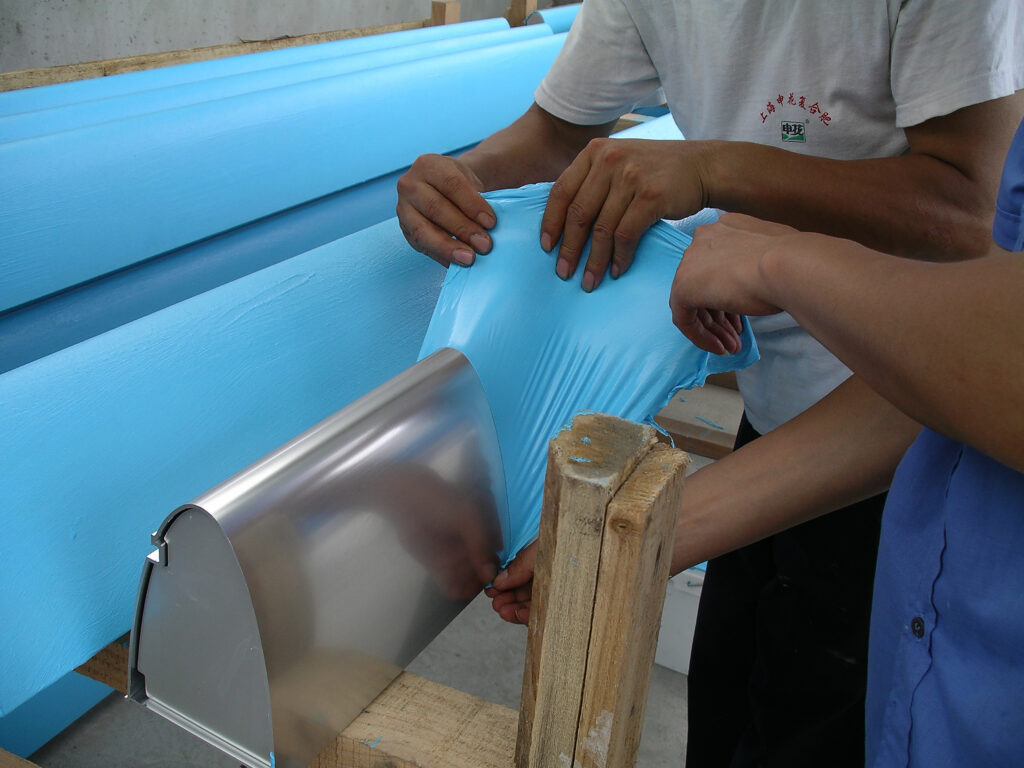
When construction is complete, the dry protective coating can be peeled away.
Using Protectapeel for Temporary Window Protection
Protectapeel is a liquid-applied peelable coating designed to provide temporary surface protection during construction.
The coating can be applied to suitable non-porous surfaces including glass, aluminium, PVCu, stainless steel and painted surfaces, depending on the Protectapeel product selected.
Once applied, Protectapeel dries to create a tough protective film over the surface.
This helps protect windows and frames from common construction-site hazards such as staining, spills, scratches and general site contamination.
Instead of repeatedly cutting and fixing sheets of temporary protection, Protectapeel can be sprayed directly onto suitable surfaces.
Protecting Awkward Shapes and Window Frames
 One of the challenges with traditional window protection is achieving coverage around frames, corners and irregular shapes.
Sheet materials often need to be measured, cut and secured in position.
A liquid-applied coating follows the shape of the surface instead.
This can make peelable protection particularly useful for glazing systems, aluminium profiles and other detailed areas where applying conventional film or board can become time-consuming.
It also creates a continuous protective layer rather than relying on multiple pieces of material and tape.
How Long Can Windows Be Protected?
Construction programmes don’t always run to schedule.
A window installed early in a project may need protection for considerably longer than originally anticipated, particularly on major developments and phased construction projects.
Protectapeel coatings are available for different applications and protection periods, with certain systems capable of providing temporary protection for up to 24 months when applied at the specified thickness.
The correct product and application thickness should always be selected for the substrate, environment and required duration of protection.
Removing Window Protection at the End of Construction
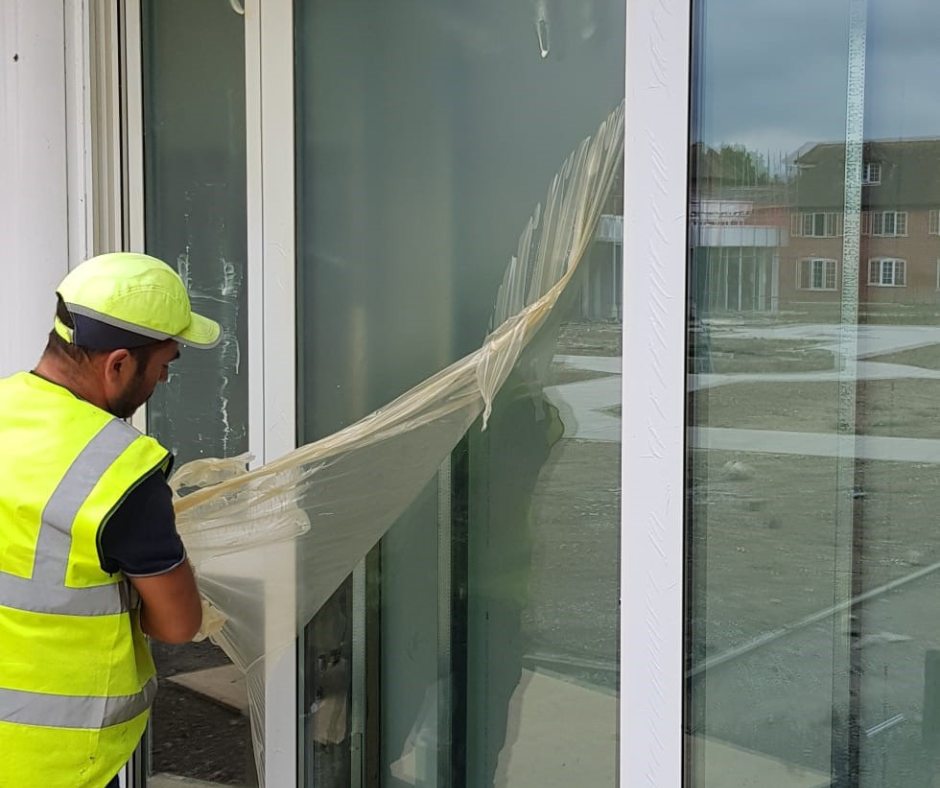 Temporary protection needs to work during construction, but removal is equally important.
Protectapeel is designed to be removed once protection is no longer required.
The dry coating can be peeled from the protected surface, revealing the surface underneath.
This can help simplify the final stages of a project by reducing the need to remove layers of tape, sheets or individual pieces of protective film from windows and frames.
Temporary Window Protection for Large Construction Projects
Window protection becomes particularly important on large developments where glazing may be installed long before other trades have completed their work.
Residential developments, commercial buildings, hotels, offices and high-rise construction projects can contain thousands of individual panes and frames.
Protecting these surfaces throughout the construction programme can help reduce the risk of damage before handover.
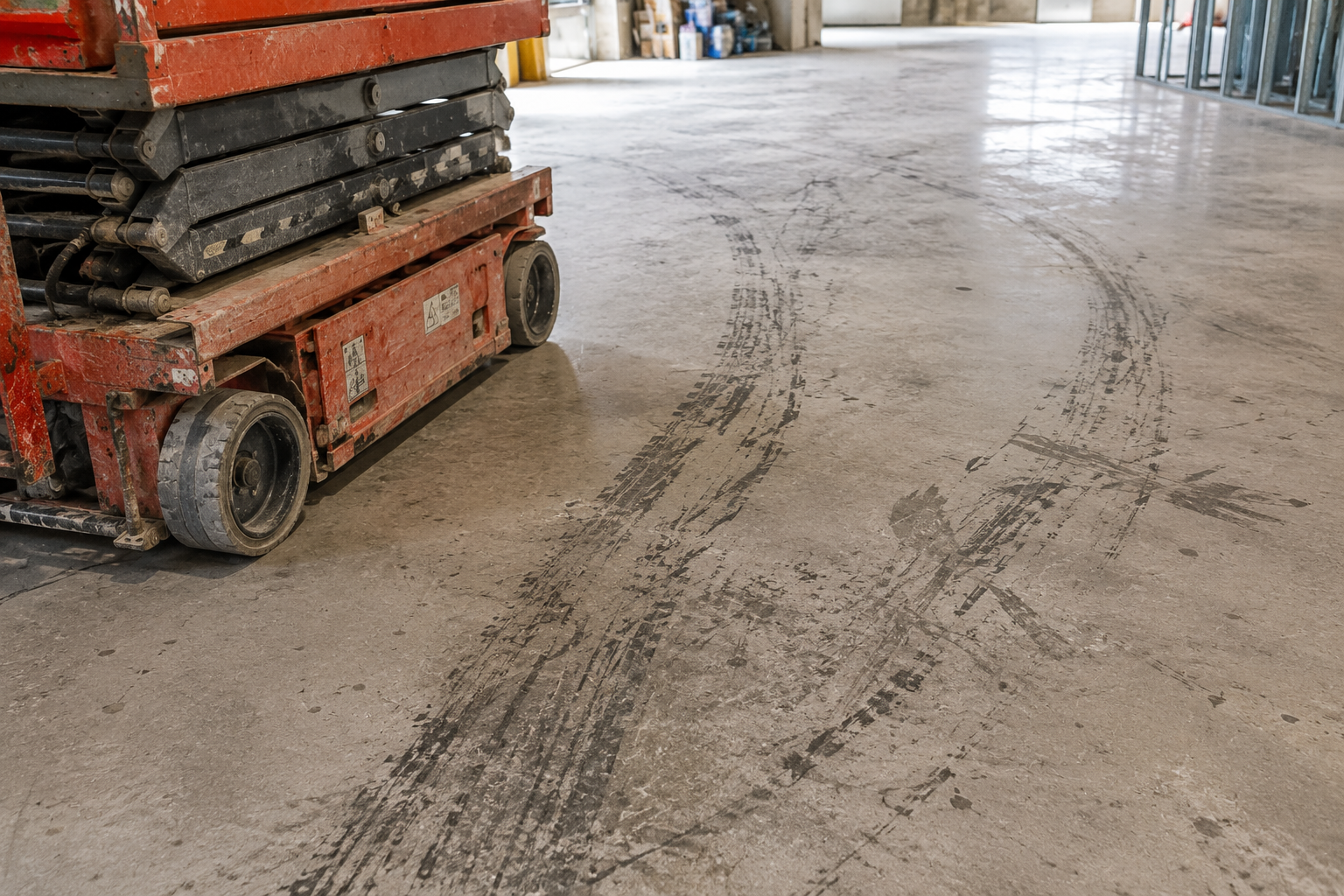
However, windows aren’t the only finished surfaces at risk. Flooring can also be exposed to heavy foot traffic, equipment, spills and ongoing construction work. If your project includes finished concrete floors, read our guide on how to protect polished concrete flooring during construction.
Using the right temporary protection for different surfaces across a construction site can help reduce damage, remedial work and cleaning requirements as the project approaches handover.
Liquid-applied temporary window protection can provide an alternative to repeatedly installing and replacing conventional protective materials across large areas of glazing.
Protect Windows During Construction with Protectapeel
Protecting windows during construction can help prevent unnecessary damage, cleaning and remedial work before a project is handed over.
Protectapeel provides a spray-on, peel-off temporary protection system for suitable glass, frames and other non-porous surfaces.
The coating is applied as a liquid, dries to form a protective barrier and can then be peeled away when the project is complete.
Peel It. Reveal It. Recycle It.
Need help choosing the right temporary protection for your windows, glazing or façade?
Contact the Protectapeel team to discuss your project and find the most suitable temporary surface protection system.