Sustainability, construction waste reduction and circularity are becoming increasingly important considerations across the construction industry.
From the materials used to construct our buildings to the way waste is managed on site, businesses throughout the supply chain are being challenged to find smarter ways to reduce their environmental impact.
Recent industry discussions have once again highlighted the drive to decarbonise construction material production, increase the use of recycled materials and move towards a more circular approach.
But sustainability shouldn’t stop with the materials used to build a project.
What about the materials used to protect it?
The Hidden Waste of Temporary Surface Protection
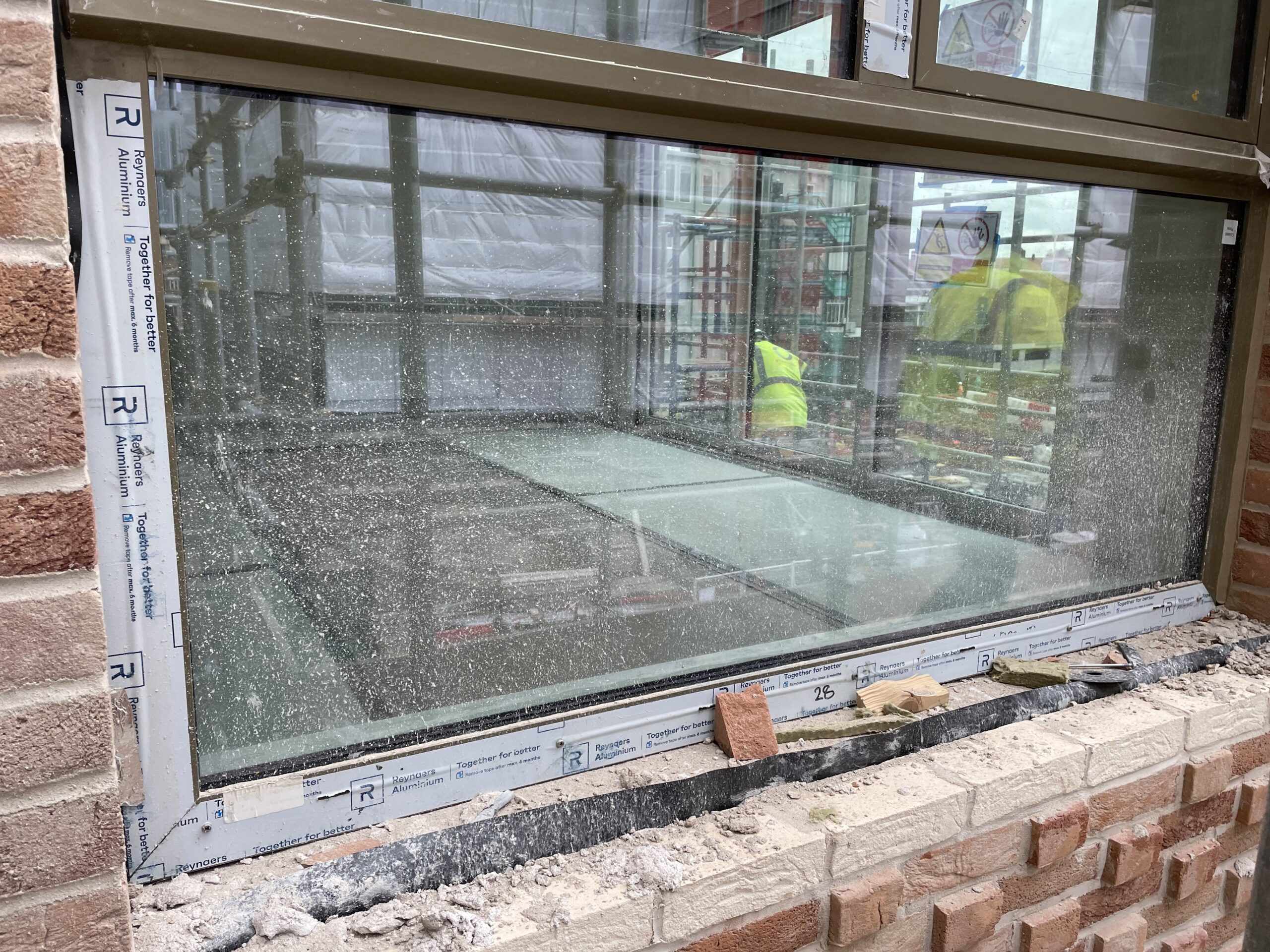
Throughout a construction project, newly installed surfaces need protection from scratches, spills, staining, abrasion and general site damage.
Traditionally, this can mean using sheets, boards, plastic films, tapes and other temporary protective materials.
Once the project is complete, those materials have served their purpose – but they can also leave behind another challenge: waste.
With the construction industry increasingly focused on construction waste reduction, temporary protection deserves to be part of the conversation.
Protect the Surface. Then Recycle the Protection.
Protectapeel offers a different approach.
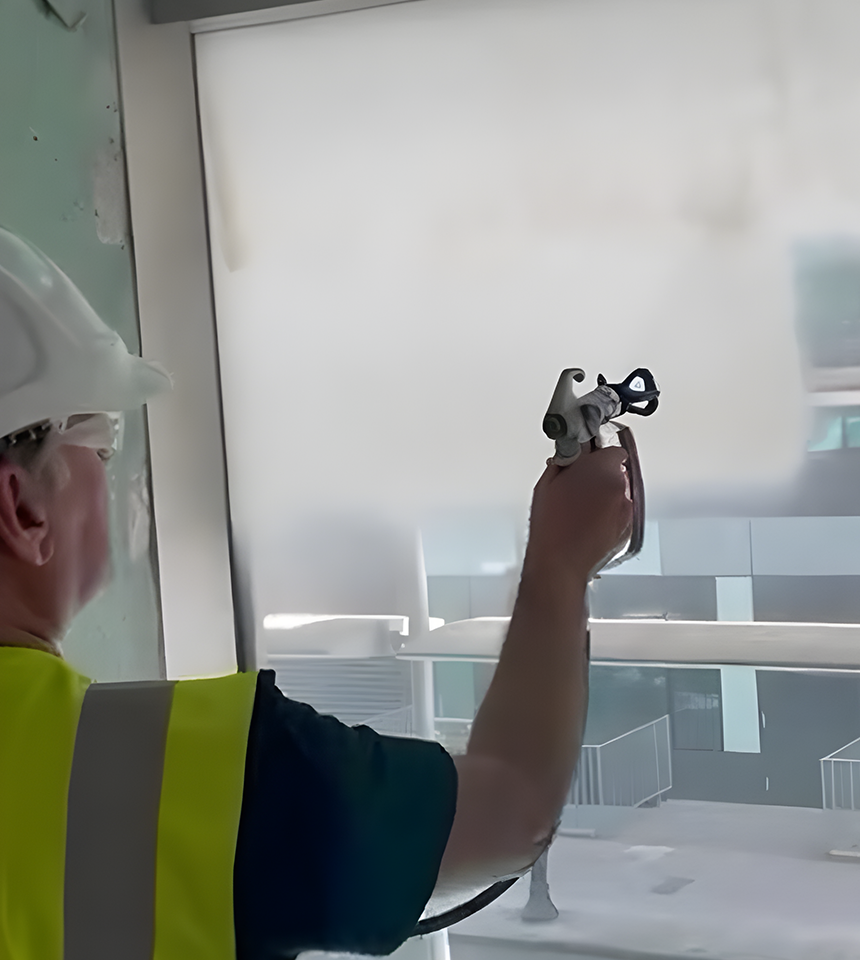
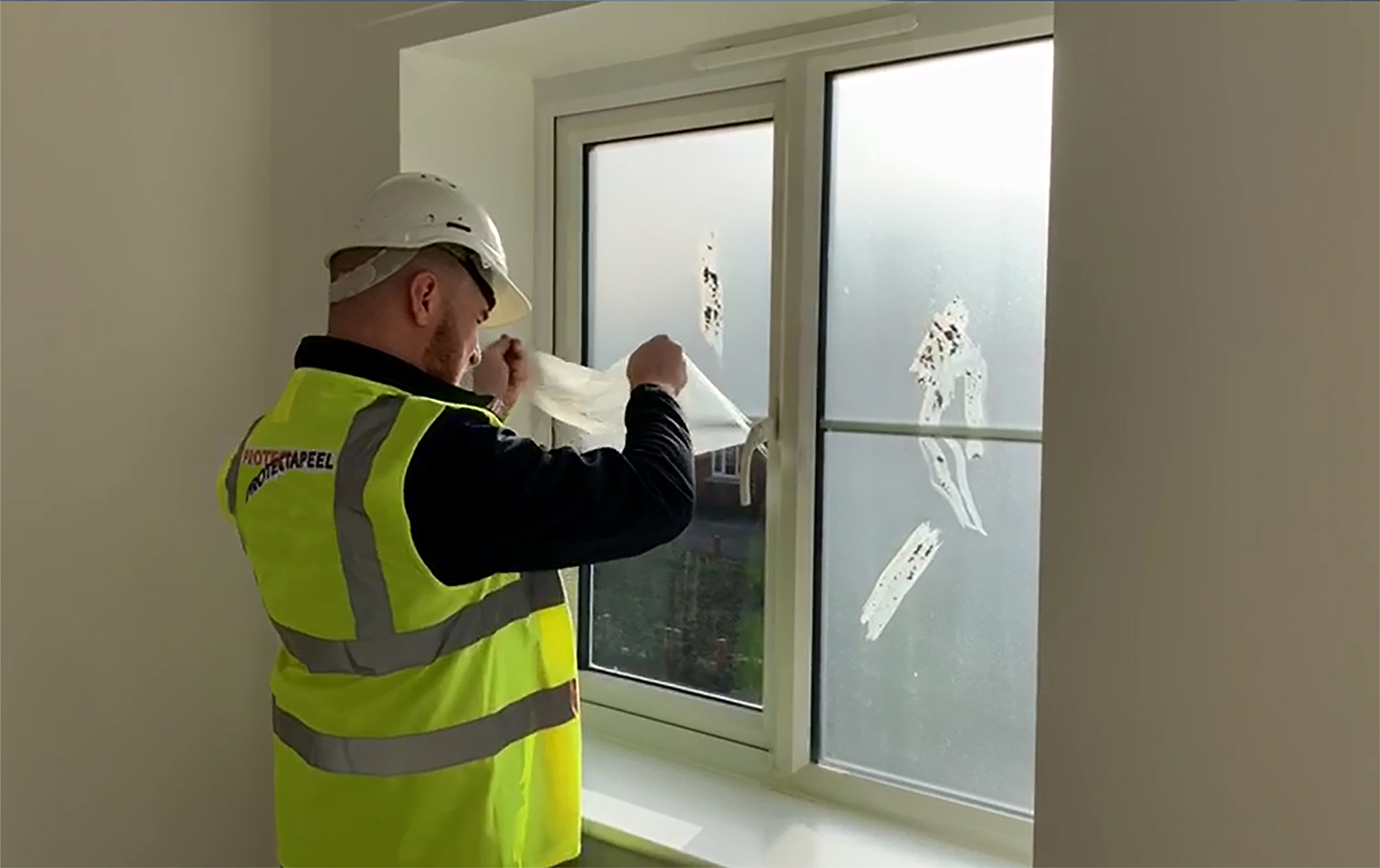
Applied as a liquid, Protectapeel dries to form a tough temporary protective coating directly over the surface. When protection is no longer required, the coating can simply be peeled away to reveal the protected surface underneath.
But for us, that’s not where the story should end.
Through the Protectapeel Recycle Point, used Protectapeel coating can be collected and returned to our manufacturing facility for closed-loop recycling.
Instead of simply treating temporary protection as waste once it has done its job, we want to keep that material in use.
Peel It. Reveal It. Recycle It.
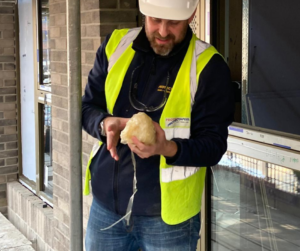
Once removed, the dried Protectapeel coating can be condensed and placed into designated Protectapeel recycling bags.
We then arrange collection and return the material to our manufacturing facility, where it enters our recycling process.
The recovered material can then be recycled and given another purpose, contributing towards products such as resin, new containers and coatings.
Moving Towards More Circular Construction
The UK Government has previously highlighted construction as a key area for waste reduction, with the sector generating more than 60 million tonnes of non-hazardous waste each year in England.
Although a significant proportion of construction waste is already recycled, much of it is downcycled rather than retained at its highest possible value.
The wider challenge, therefore, isn’t simply to recycle more. It’s to think differently about the materials we use, how long we use them for and what happens to them afterwards.
That principle can apply to temporary surface protection too.
Protecting Today’s Project With Tomorrow in Mind
Temporary protection plays an important role in preventing costly damage to completed surfaces during construction.
But temporary shouldn’t automatically mean disposable.
By combining liquid-applied surface protection with a route for the recovered coating to be recycled, we’re working towards a more circular approach to protecting construction projects.
Because protecting the finished surface matters – and what happens to the protection afterwards matters too.
Find Out More About Protectapeel
Protectapeel provides temporary peelable protection for a wide range of surfaces throughout construction.
Speak to the Spraylat team to discuss your project, arrange a product trial or find out more about the Protectapeel Recycle Point.