Tested Protection for Demanding Construction Environments
Temporary surface protection is an important part of protecting high-value finishes during construction, refurbishment and fit-out. On projects where fire performance requirements must also be considered, choosing a temporary protective coating with documented fire test performance can be essential.
Protectapeel offers peelable protective coatings with tested fire classifications, providing temporary protection against scratches, abrasion, dirt, dust, paint and general construction damage while supporting project fire-performance requirements.

Why Fire Performance Matters for Temporary Protection
Temporary materials can remain installed on construction projects for extended periods, particularly on glazing, façades and other finished surfaces.
Where fire performance requirements apply, contractors and project teams may need evidence that temporary materials have been independently tested to an appropriate standard.
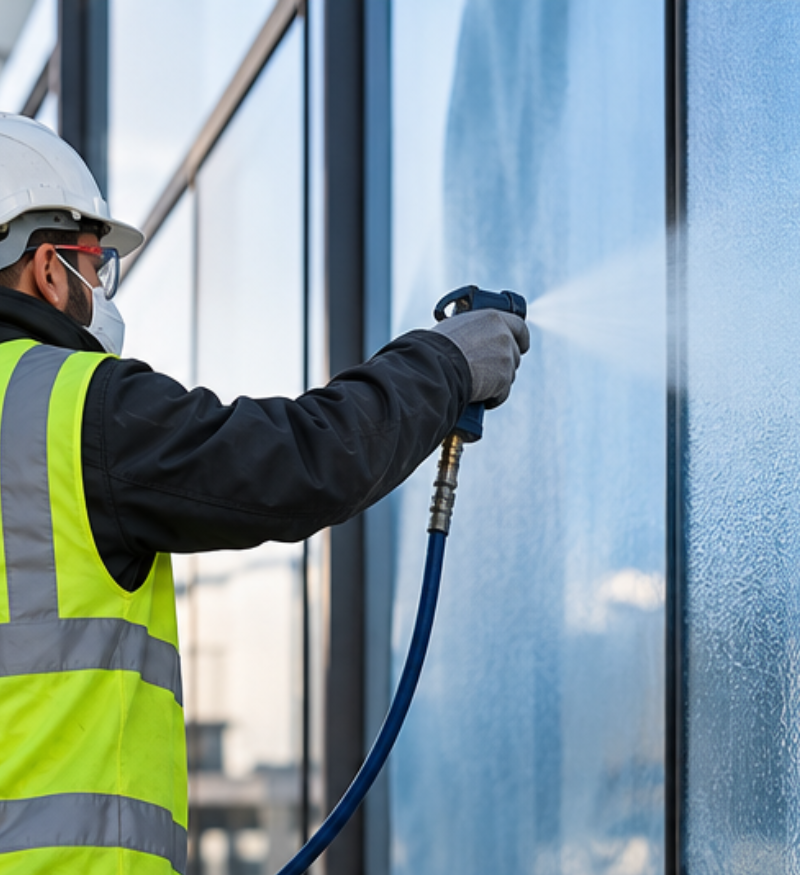
Protectapeel provides a spray-applied alternative to traditional temporary protection materials, creating a continuous protective coating directly over compatible surfaces.
Once protection is no longer required, the coating can simply be peeled away.
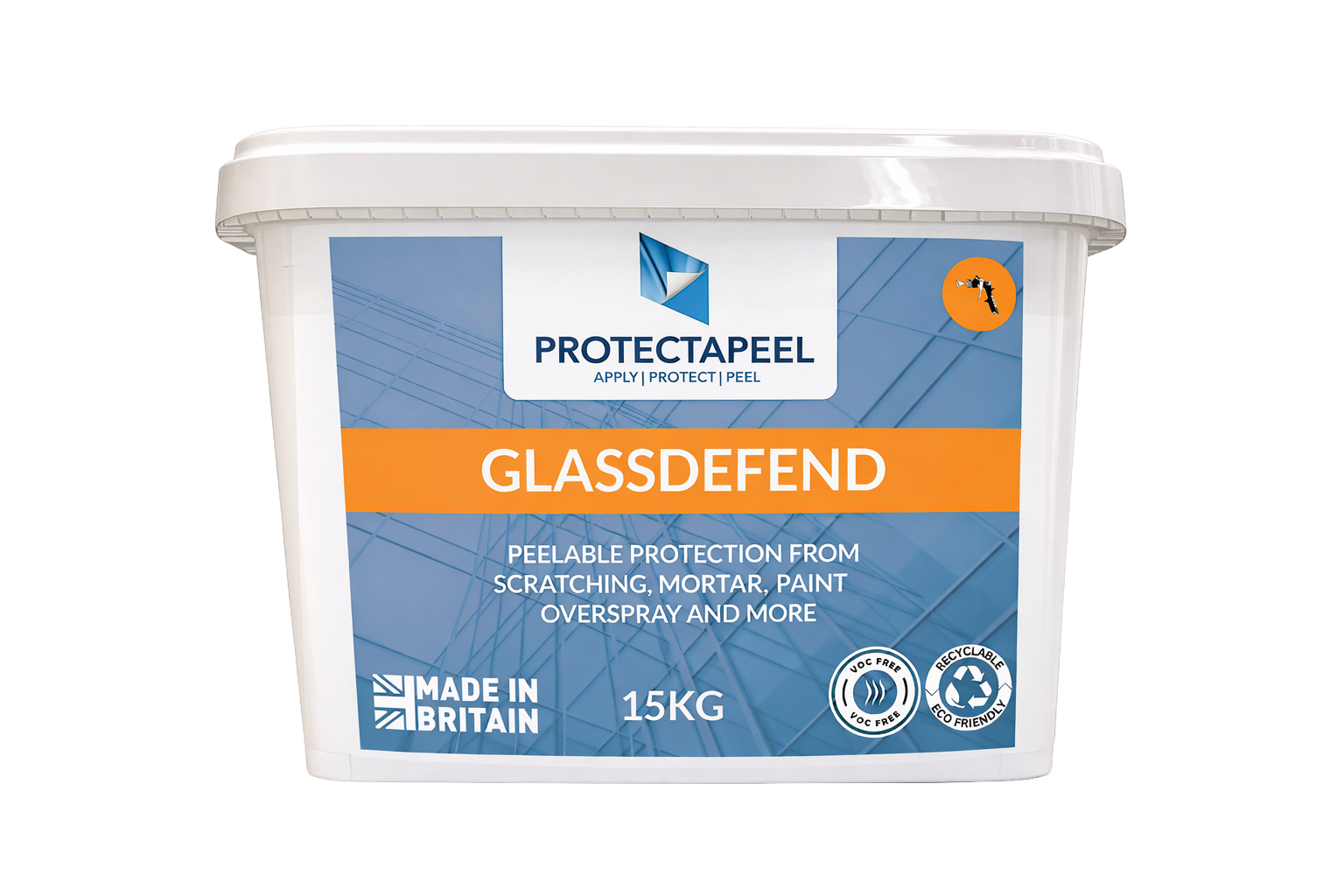
Protectapeel GlassDefend is a water-based peelable coating developed for the temporary protection of internal glass and other compatible non-porous surfaces during construction and refurbishment.
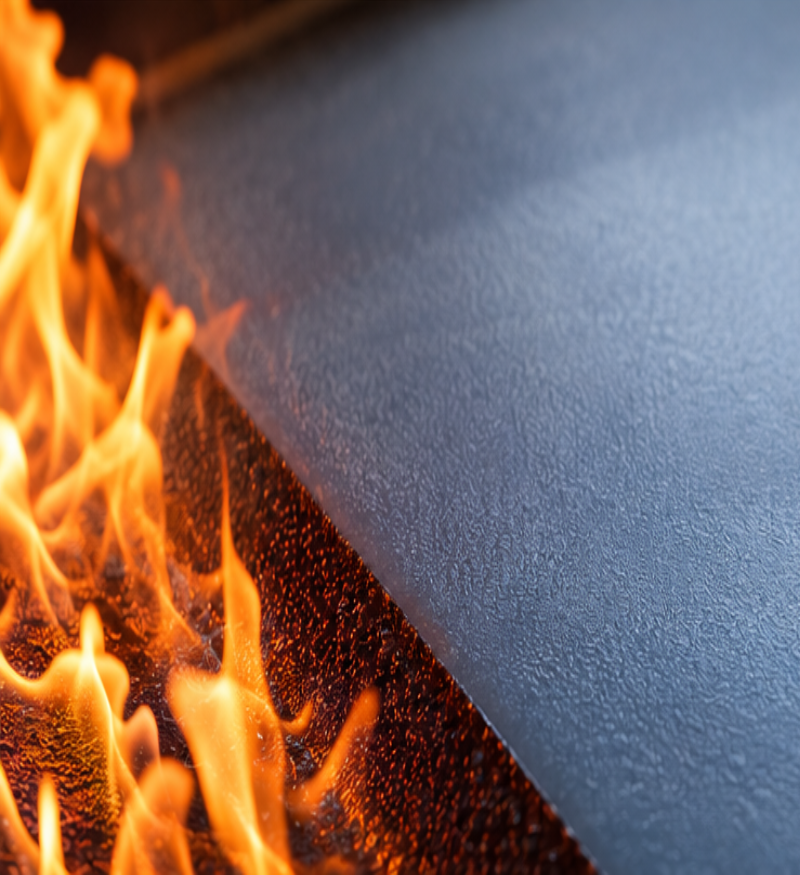
GlassDefend has achieved a Class 1 classification when tested to BS 476 Part 7, which assesses the surface spread of flame characteristics of materials.
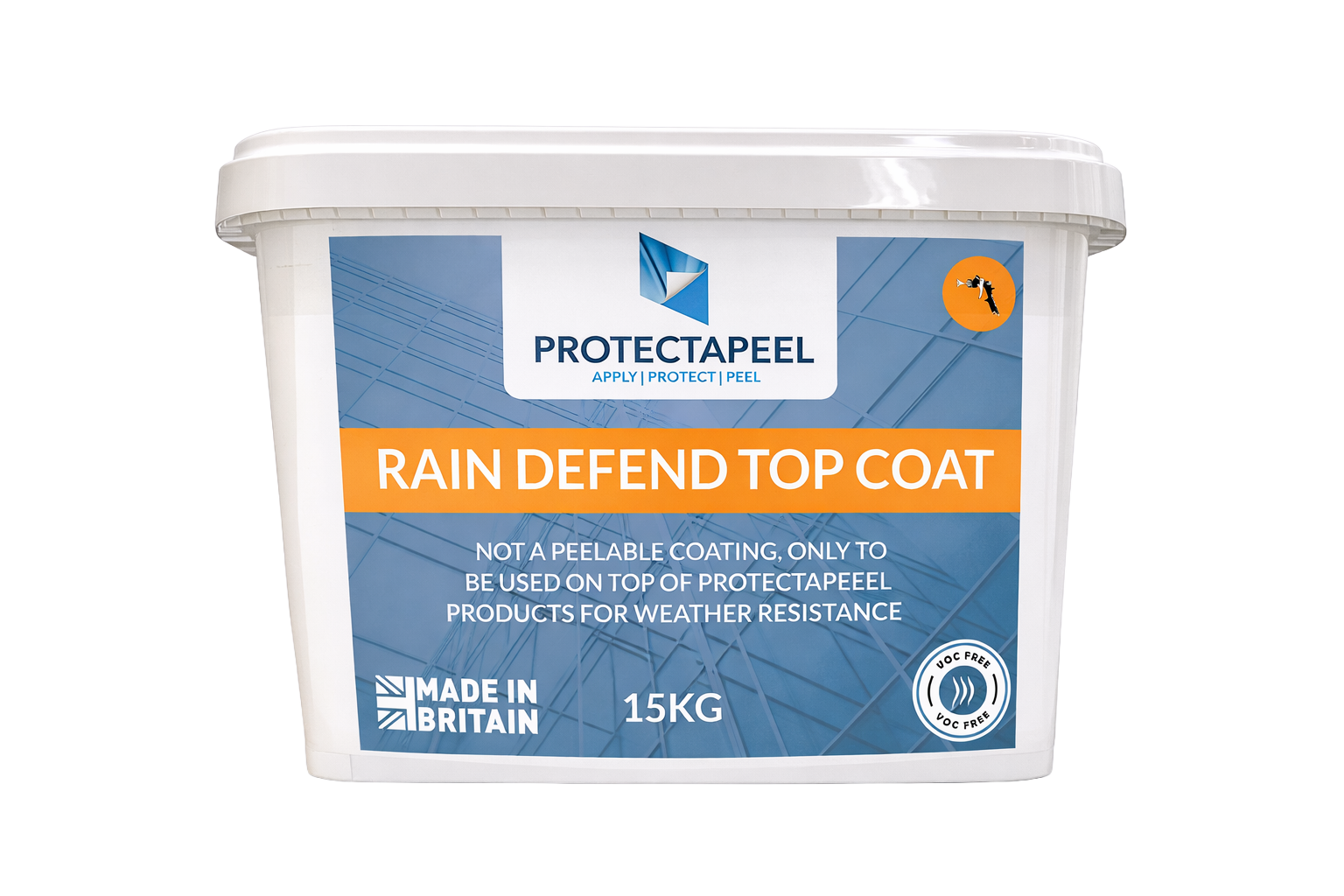
Protectapeel RainDefend provides additional weather-resistant protection for suitable Protectapeel systems used in demanding external environments.
RainDefend has achieved a Class 2 classification when tested to BS 476 Part 7
What Is BS 476 Part 7?
BS 476 Part 7 is a British Standard test method used to determine the surface spread of flame characteristics of materials.
Materials are classified according to their performance during the test, with Class 1 representing the lowest surface spread of flame classification within BS 476 Part 7.
Fire test classifications relate to the product and test conditions specified in the relevant test documentation. They should not be interpreted as making the underlying surface, building element or complete construction system fire-rated.
For project-specific requirements, the relevant Protectapeel technical and fire test documentation should always be reviewed.
Understanding Surface Spread of Flame
Surface spread of flame refers to how quickly and how far flames travel across the surface of a material when it is exposed to fire.
BS 476 Part 7 measures this behaviour under controlled test conditions and classifies the material according to the extent and rate of flame spread across its surface.
A Class 1 classification represents the lowest surface spread of flame within the classifications defined by BS 476 Part 7. Protectapeel GlassDefend has achieved Class 1, while RainDefend has achieved Class 2 when tested to this standard.
This testing provides specifiers, contractors and project teams with documented information about the surface flame-spread performance of the coating.
Fire classifications apply to the product under the specific conditions in which it was tested and do not mean that the underlying substrate or complete building system becomes fire-rated.