
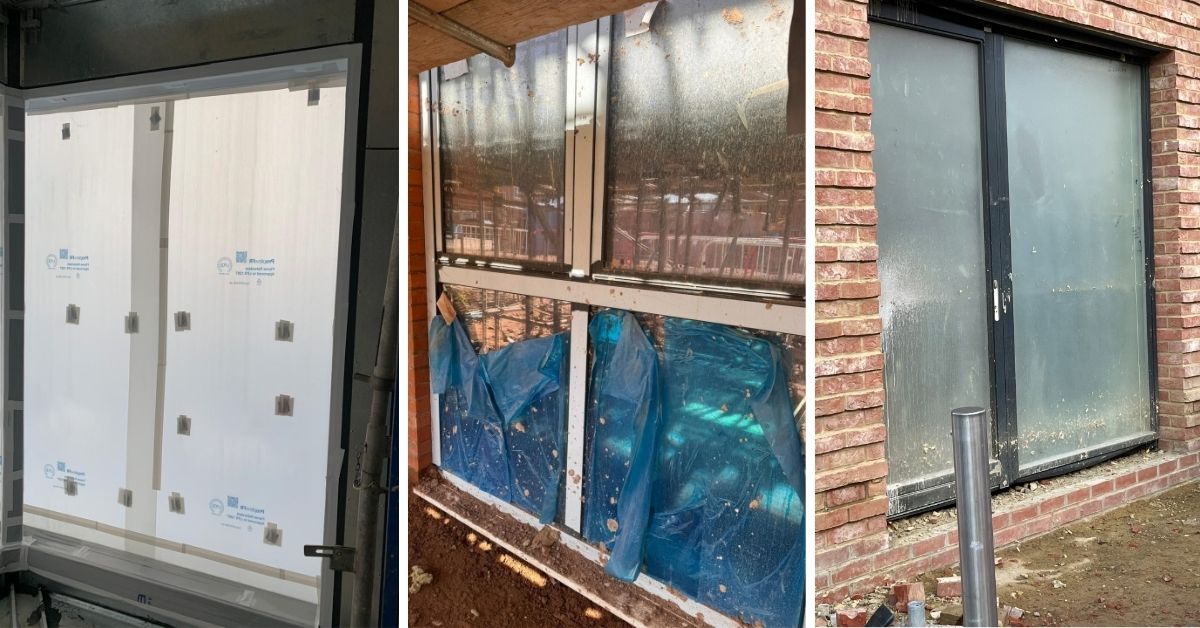
Surface Protection Solutions
Construction and refurbishment projects often expose finished surfaces to scratches, impact damage, paint spills, dust, and heavy foot traffic. Therefore, choosing the right temporary surface protection can save time, reduce replacement costs, and keep projects on schedule.
The construction industry commonly uses three surface protection solutions: protective board, protective film, and peelable protective coatings. While each option offers distinct benefits, each also has limitations depending on the surface type, project duration, and level of protection required.
In this guide, we’ll compare all three solutions to help you identify the best surface protection option for your project.
What Is Protective Board?
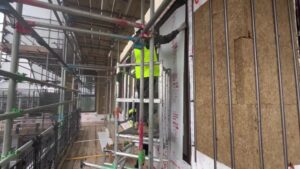 Protective board consists of rigid sheet materials such as corrugated plastic, cardboard, or fibreboard. Contractors use it to shield floors and other surfaces from impact damage during construction.
Advantages of Protective Board
- Impact resistance
- Performs well in high-traffic areas
- Helps protect floors from dropped tools and materials
- Remains a familiar solution across construction sites
Disadvantages of Protective Board
- Takes time to install
- Requires tape, which may leave residue behind
- Makes it difficult to protect complex shapes and detailed areas
- Can shift or lift during use
- Creates significant waste after removal
- Requires considerable storage and transportation space
Although contractors frequently use protective board for floor protection, it often proves less practical for vertical surfaces, glazing, sanitaryware, metal panels, and finished joinery.
What Is Protective Film?
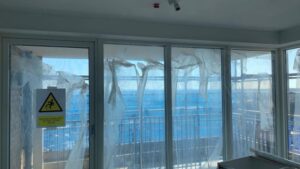 Contractors apply protective film directly to surfaces to protect them from scratches, dust, and light construction traffic.
Advantages of Protective Film
- Installs quickly
- Remains lightweight and easy to transport
- Provides scratch protection
- Allows surface visibility when using transparent grades
Disadvantages of Protective Film
- Offers limited impact resistance
- Can tear or lose adhesion during use
- May leave adhesive residue if left in place for too long
- Can suffer reduced performance when exposed to UV light and weather
However, demanding construction environments often challenge traditional protective films. As a result, they can tear, lift, or wear through over time, reducing their effectiveness.
What Are Peelable Protective Coatings?
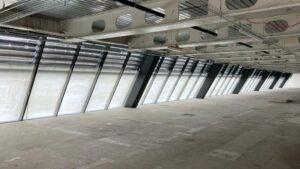
Peelable protective coatings are liquid-applied products that dry to form a durable protective film. Once the project finishes, users simply peel away the coating to reveal a clean, undamaged surface underneath.
Construction, manufacturing, transport, and marine industries regularly rely on products such as Protectapeel to protect valuable surfaces.
Advantages of Peelable Protective Coatings
- Conforms to virtually any shape or profile
- Eliminates the need for tapes or mechanical fixings
- Protects both horizontal and vertical surfaces
- Shields surfaces from scratches, paint, plaster, weld spatter, grinding sparks, and more
- Maintains performance for up to 24 months without losing adhesion
- Removes cleanly without leaving adhesive residue
- Peels away easily by hand in large sheets
Disadvantages of Peelable Protective Coatings
- Requires application equipment (hire services are available if needed)
- Requires correct application to ensure easy removal (training is available)
- Requires drying time during project planning, although force drying can accelerate the process
Consequently, peelable coatings often provide a more versatile and cost-effective alternative to traditional protection methods, particularly for finished surfaces.
Which Surface Protection Solution Is Best?
Ultimately, the right solution depends on your project’s specific requirements.
Choose Protective Board If:
- Heavy impact protection is your primary concern
- Surface visibility is not important
Choose Protective Film If:
- You need the lowest-cost protection solution
- The project duration is relatively short
Choose Peelable Protective Coatings If:
- You need to protect complex shapes and profiles
- The project requires long-term protection
- You want fast application and residue-free removal
Why Contractors Are Increasingly Choosing Peelable Protective Coatings
As construction projects become more complex, contractors need protection systems that reduce labour, improve efficiency, and minimise damage-related costs.
For this reason, peelable protective coatings continue to gain popularity. They offer several advantages over traditional methods, including:
- Up to 5x faster application than protective board
- Up to 2x faster application than many protective films
- Protection for up to 24 months
- Clean removal without adhesive residue
- Suitability for glass, metal, polished concrete, sanitaryware, and façades
As a result, contractors can reduce installation time while maintaining high levels of protection throughout the project lifecycle.
Spraylat have provided a full service from initial enquiry right through to completion. The Protectapeel product has worked exceptionally in an external application fulfilling our clients requirements exactly. The pratical and technical support we received from Spraylat was second to none.
Steve Nacson, Senior Project Manager, Focchi Ltd
Protective board, protective film, and peelable protective coatings all play important roles in modern construction projects. However, when application speed, versatility, residue-free removal, and long-term protection matter most, peelable protective coatings offer significant advantages.
Whether you need expert guidance, product recommendations, or a sample for testing, our team can help you find the right surface protection solution for your next project.